Wisconsin Forward, Fashion Forward
It isn’t just a coincidence that the state of Wisconsin’s motto is forward. Our fashion forward approach at the University of Wisconsin-Madison is evident in our ever growing programs ability to be unique, just as our state strives to be.
“We’re really big on learning through making and being creative through function. And through forum and through the making process, how can you interrupt the manufacturing process with something unusual that then makes it more unique” said Carolyn Kallenborn, an assistant professor.
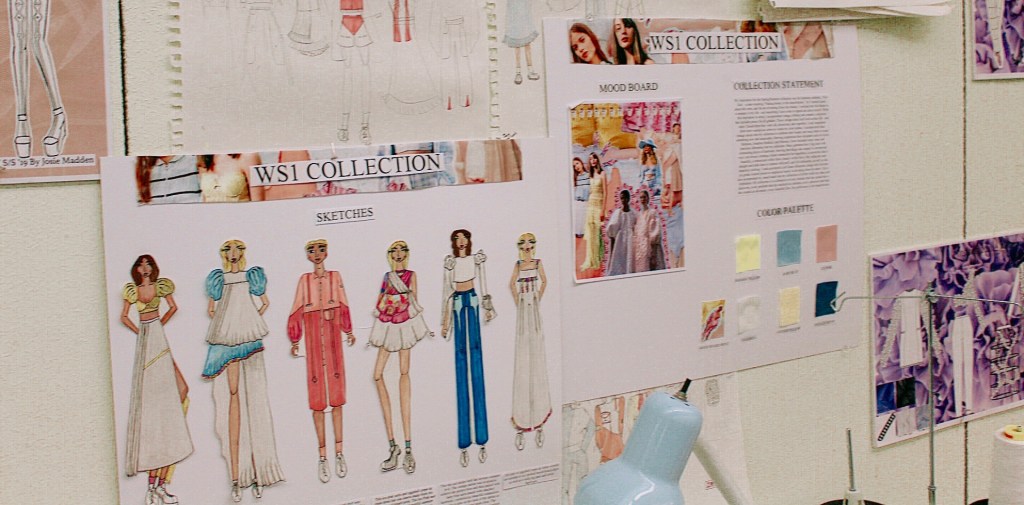
Fashion has a different meaning for everyone. Some see it as the clothes they buy at the store and others choose to make this passion their work.
The backbones of fashion teachings at UW-Madison have continued to grow over the years. The structure of courses within the School of Human Ecology have not varied much since its opening in 1909. Yet students continue to thrive and defy the odds within the community.
Textile courses have been a part of the majors offered since the very beginning. They have continued to grow in diversity of options. In particular, Design Studies 270 and Moda Madison have brought together fashion with all the aspects students need to understand the industry.
The School of Human Ecology used to suffer from the “discovery school effect.” The problem was that students did not know what was offered by the school. When they did realize, it was normally in junior or senior years, when switching majors can be difficult for students who want to graduate within the four years.
Senior Assistant Dean of the School of Human Ecology Linda Zwicker discussed how the new building created a nuanced approach to this issue. The school took initiative to showcase their pipeline courses created for lower classmen to hear about the school and get familiarized with the work going on.
“So now we have these kind of pipeline courses, right? Now you just want students to start learning, get in their time, start thinking about it. Make sure that would be the right fit, but start.
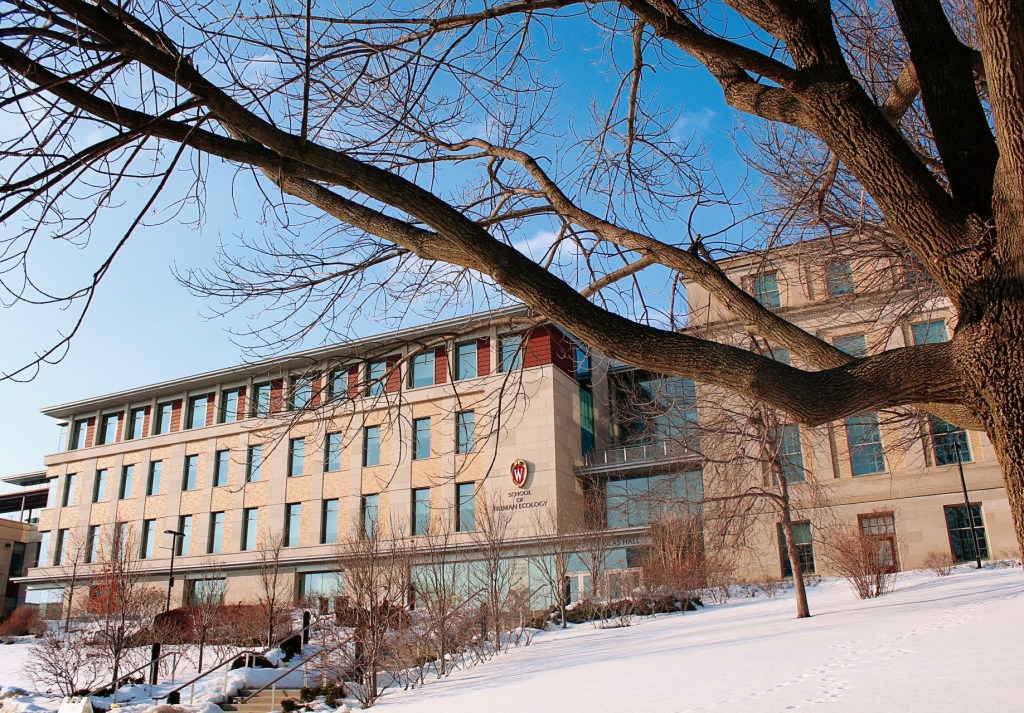
So strategically you’re starting to introduce Human Ecology to people. You’re in the building, you’re kind of getting our vibe and understanding,” Zwicker said.
Currently, they have hit their sweet spot of 1,500 students enrolled. Another characteristic of Human Ecology that leads students to successful careers is the faculty and the coursework designed.
The school strives to build relationships with students. Faculty chooses to focus on preparing students for the real world by giving them similar opportunities in their undergraduate studies.
“Do you feel like you belong when you come to our building or to our classes? Are you going to get a job when you come out? If you get a job, have we prepared you for that? It’s not a transactional relationship and that’s what I think our faculty do extremely well,” said Zwicker.
A class in particular would be design studies 270 that focuses on implementing all tasks to produce a fashion show. Students from all majors are encouraged to join to make a multifaceted team.
Professor Carolyn Kallenborn emphasizes that the students who come into this class have passion and drive for what they are accomplishing. There is much to teach but their success is largely based on their willingness to participate.
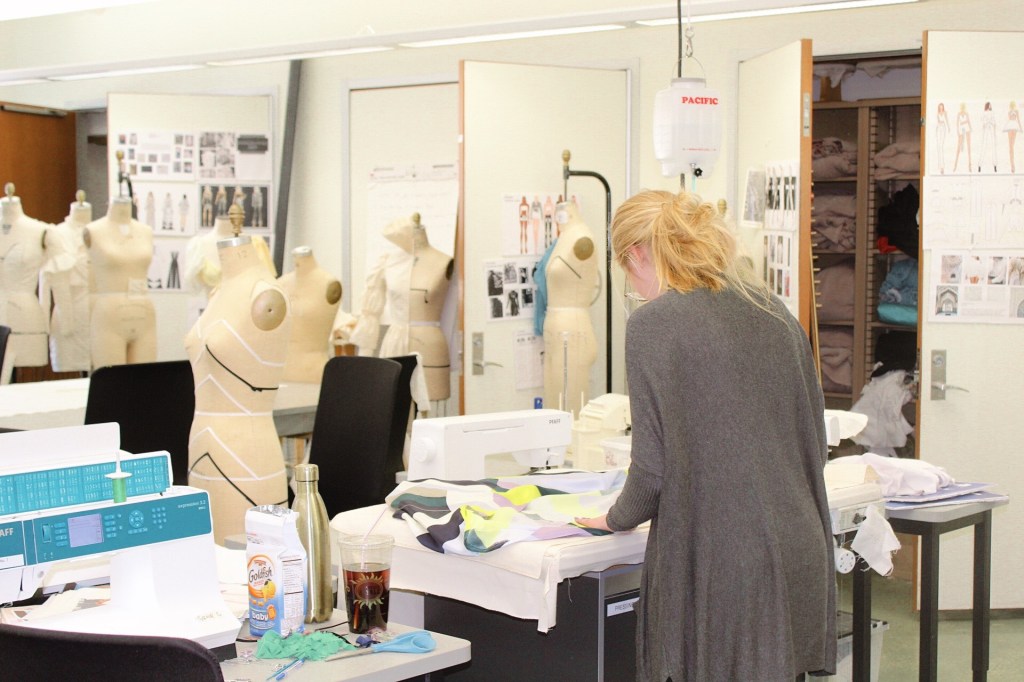
“There were a lot of really amazing students anyway. You work with them so much that you get to know them really well, and they take on a lot and, there’s so much problem solving and teamwork. They ran this whole photo shoot, they set it up, they rent the space, they got everybody there and put all this together,” said Kallenborn.
Beyond the classroom teachings comes Madison Moda, a fashion publication within the university. Students of all backgrounds come together to create all the workings required to publish online and print magazine issues.
Editor in chief Eva Weiland is a marketing business major with a certificate in graphic design who found herself at home within the Moda community, despite not being trained in fashion or journalism.
“At first I just kind of jumped right into it, wrote my first article, did a photoshoot. And from there on with my college experience, I went from being just a regular writer to an assistant for one of the sections, the art section,” said Weiland.
Deputy editor Cassie Hurwitz had a similar intuition when she joined Moda as an English major with a love for fashion.
“Right off the bat I was like, okay, this is what I need to do, this is where I feel like I belong. I kind of had some really good mentors in the section that showed me the ropes and they’ve taught me how to be a good writer and then how to be a good editor and what the Moda style was really all about,” said Hurwitz.
In addition to creating monthly issues, Madison Moda puts on UW-Fashion Week. This is a tremendous group effort and teaches real-life skills of management and leadership to all involved.
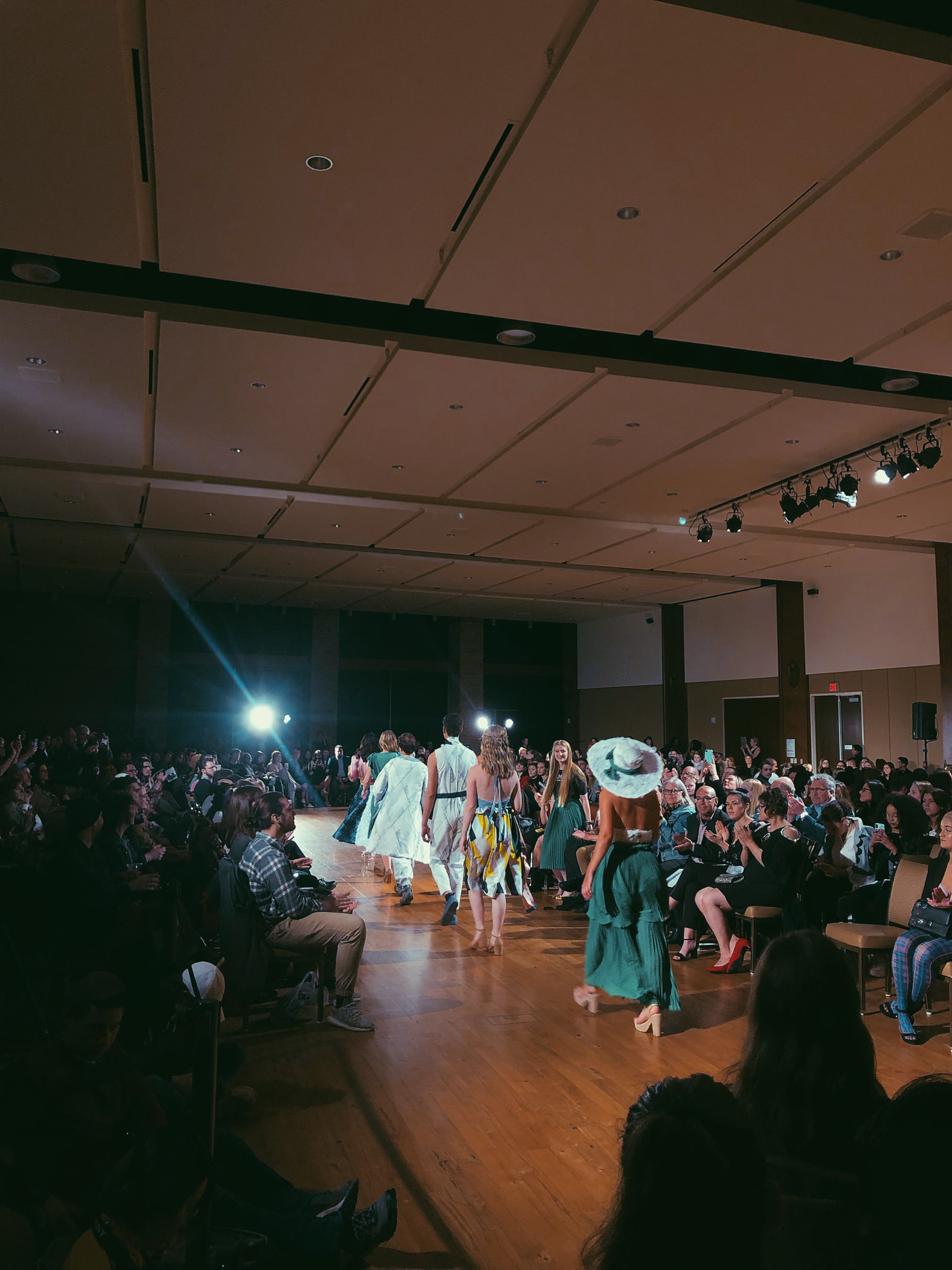
“Moda is special in that it can be a great opportunity for people who aren’t journalism majors or art majors to still be able to do solid work and what they want to, like a science major who has an act for photography,” said Weiland.
As UW-Madison continues to develop their teachings in the classroom and beyond, students are also taking the initiative to be successful learners and implement their passion into the world. The display of fashion forward in daily teachings has proved to increase students success in the industry.
 Fashion on UW-Madison Campus